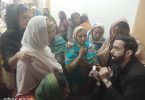

Intellectual Disability Workshop
Report
Among the series of Child Psychiatric Aspects, the 2nd Workshop is on Intellectual Disabilities theory, its implication and Clinical Evaluation, Training and management aspects (Behavioral Modification & IEP’s) was conducted from 11-12 May, 2015.
The purpose of this workshop was to provide awareness, knowledge, practical learning, and clinical training and management aspects to the participation. This training workshop helped the participants to endure with practical orientation to the participants who were keen to learn about the detail knowledge about children having Intellectual Disability.
The need of workshop was mandatory now a days to create awareness to the students, practitioners and professional as well because of gradually increasing ratio of special children in the Pakistan.
All the facilitators who organized the workshop were well renowned competent in their field, well energetic and were fully motivated to provide information and facilitate all the participants in very professional way.
Among the facilitators, Prof. Dr Imtiaz Ahmad Dogar, Ms Samreen Afzal, Ms Shaista Irshad and Dr Irum Siddique. All the organizers and facilitators provide their best to deliver theoretical as well practical activities based knowledge to the participants.
The participants are most of professional people, they were clinical psychologists, special educationists, doctors and students of Psychology.
1st day of workshop started with the Holy name of Allah Almighty and Muhammad (PBUH). The workshop was inaugurated by Prof. Dr Hina Ayesha, Head of Peadiatric Department, DHQ Hospital, Faisalabad. She encouraged the efforts of Organizers, also appreciated the need of such training related workshops which provide orientation to the listener regarding assessment and management of children having ID. She also focused on the needs of further workshops in this area.
Ms Samreen Afzal put on light on the important and understanding of ID, highlighted different domains, severity and categorization of ID. She also highlighted the clinical picture of children having ID and common feature that experience by the parents of these children. Detailed points regarding diagnosis and recent perspectives were also highlighted during their presentation.
Prof. Dr Imtiaz Ahmad Dogar highlighted the emphasis upon the etiological features, causes and prevalence section of ID children. In which general factors were also discussed and were much appreciated by participants.
One of the major area and question is the assessment of these children both intellectual and adaptive functioning. The informal assessment and observation was highlighted by Mrs Samreen and add different activities and case scenarios so the participants can understand the informal assessment both intelligence and adaptive functioning tests were discussed in step wise and detail orientation of theory and scoring was discussed in detail by Ms Shaista Irshad.
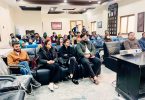
For that purpose participants were divided in small groups and facilitated them regarding administration of the Portage Guide to Early Education (PGEE) on each other so they can better understand the administration and rules of scoring. And it also gave them as a home work assignment.
2nd day of workshop was started with quick review of last day’s working. The focus of current day was training and management and specifically techniques and developing IEP’s on individual basis. Ms Samreen Afzal highlighted the major techniques of behavior modification with practical examples. Ms Shaista and Dr Imtiaz also added their perspectives and discuss techniques and teach to develop IEP’s by using these techniques of Behavioral Modification.
The workshop was concluded by the graced presence of Prof. Dr Asghar Butt, Head of Department of Peadiatrics, PMC/Allied Hospital and Regional Director CPSP, Faisalabad appreciated the efforts of Department and the whole team who put their positive efforts to make this workshop successful and emphases the need for further workshops. He also appreciated the efforts of facilitation by everyone. He was given orientation about the series of workshops and about the future agenda.
The workshop was ended with cake cutting ceremony, group photo followed by lunch. Earlier all the participants and organizers were awarded by the certificates of appreciation by the organizing Department.
.